

GETTING INTO RESEARCH WORKSHOP
We strongly encourage all students interested in research to watch our “Getting into Research” workshop. This workshop introduces students to research in the sciences, how to find a faculty research mentor, and opportunities for student researchers after joining a lab.
Download a copy of the workshop slides here .
WHAT IS RESEARCH?
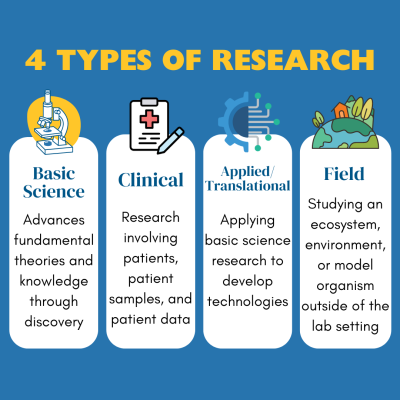
Research is independent study and discovery in a field of interest. In the sciences, research is usually conducted in a laboratory led by a Principal Investigator (PI) – this is the faculty member who runs a research project. Research addresses a hypothesis, or scientific question. New student researchers typically join an ongoing project in a faculty’s lab and are often trained & supervised by postdoctoral scholars & graduate students.
WHY CONDUCT RESEARCH?
Participating in undergraduate research is one of the most valuable ways to enhance your UCLA experience – academically, professionally, and personally.
Benefits of Undergraduate Research:
- Explore your interests and see if a research career is right for you
- Gain hands-on experience to stand out in graduate, medical, or professional school applications
- Strengthen your resume with skills in critical thinking, collaboration, and independent inquiry
- Earn university credit and qualify for funding opportunities
- Build mentoring relationships with UCLA faculty and researchers
UCLA is a world-renowned research university – take advantage of the opportunity to learn from and contribute to cutting-edge research in your field.
HOW CAN THE URC-SCIENCES SUPPORT YOU?
Workshops & Guides – Access our on-demand workshops and step-by-step guides– including topics like How to Apply for a Lab, Exploring Research Careers, Writing a STEM Abstract, Presenting STEM Research, and Writing a Competitive Undergraduate Research Proposal.
Research Courses – Enroll in Student Research Program (SRP) 99 or Research Practice (RES PRC) courses to earn course credit for the research you are conducting.
Research Scholarships, Fellowships, & Grants – Apply for exclusive funding opportunities available to undergraduates conducting research in the life sciences, physical sciences, mathematics, and engineering.
Undergraduate Research Publications – We advise the UCLA Undergraduate Science Journal (USJ), a peer-reviewed publication registered with the Library of Congress. Join the editorial board or submit your research for publication.
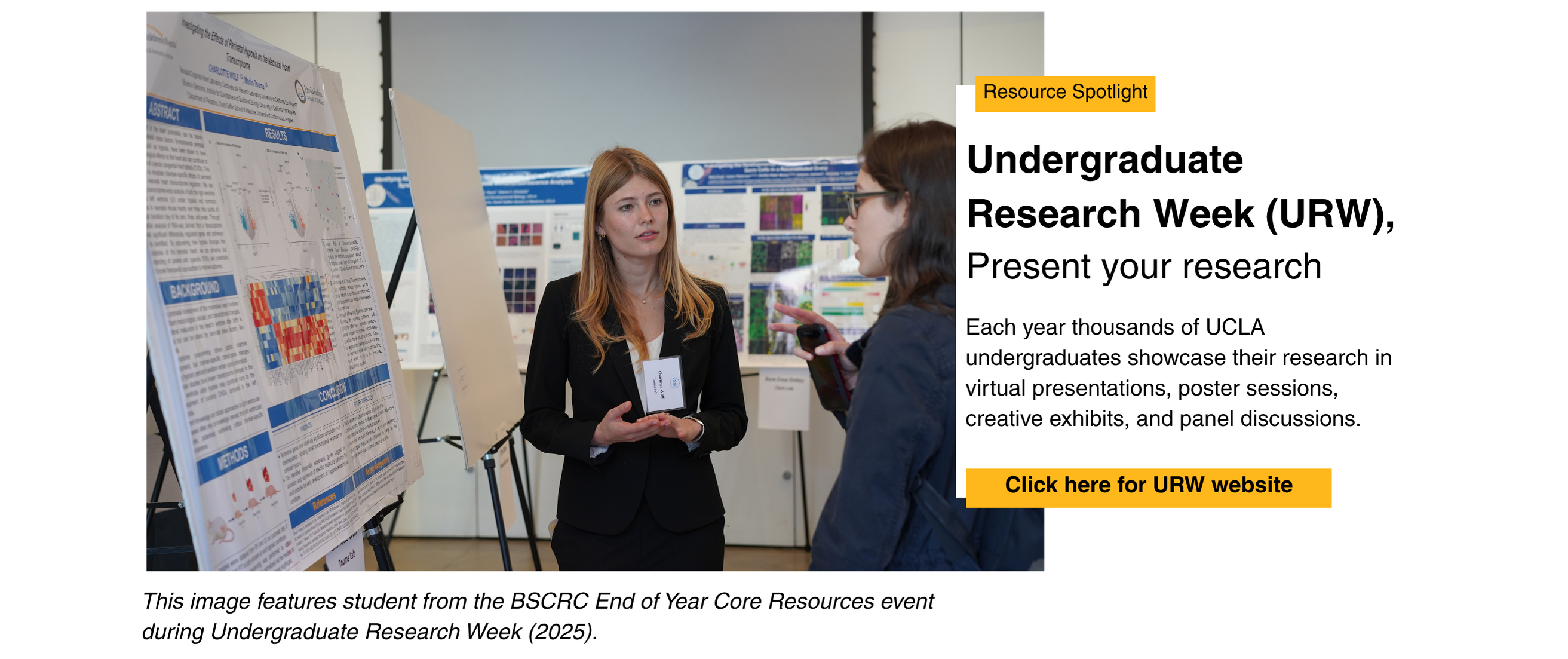
Undergraduate Research Week – Participate in UCLA’s largest undergraduate research symposium, featuring thousands of student presenters across all disciplines each year in May.
IDENTIFY YOUR RESEARCH INTEREST
You should first consider what type of research you are interested in pursuing. Make a list of subjects and topics that interest you and that you would want to commit time to. Review courses you have previously taken, revisit assigned readings, and talk to your professors and TAs about your interests and what type of work is currently being done in those fields.
NOTE: If your major or minor has a research requirement, you may be restricted to working with faculty in certain departments to satisfy those requirements. Meet with a student affairs officer or academic counselor in your department to learn more
Some questions to ask yourself as you plan your research are:
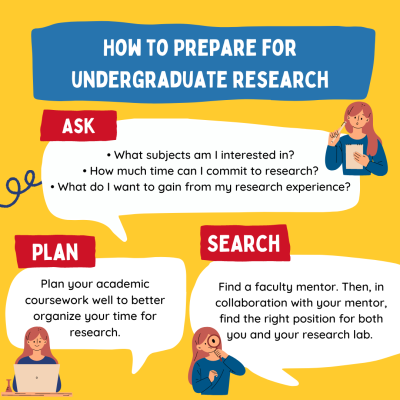
- What subjects am I interested in and passionate about?
- How much time can I commit to research?
- Will I need financial support to conduct research throughout the summer and academic year?
- What do I want to gain from my research experience?
- How can I best prepare myself academically and professionally to do research?
- What courses should I take that will complement the work I do?
- What safety courses will I need to take to do research in my field or lab?
The better you plan your academic coursework, the better you will be able to organize your time for research. Whatever your future professional and academic plans are, gaining experience in research will enhance your application and your preparedness for more self-directed research.
Once you have evaluated your research interests and organized your time, the next step is finding a faculty mentor. As part of a collaborative research team, you will need to find the right position both for you and your potential research lab.
Need inspiration? Check out our Instagram.
 |
 |
 |