
Dr. Steven Chavez
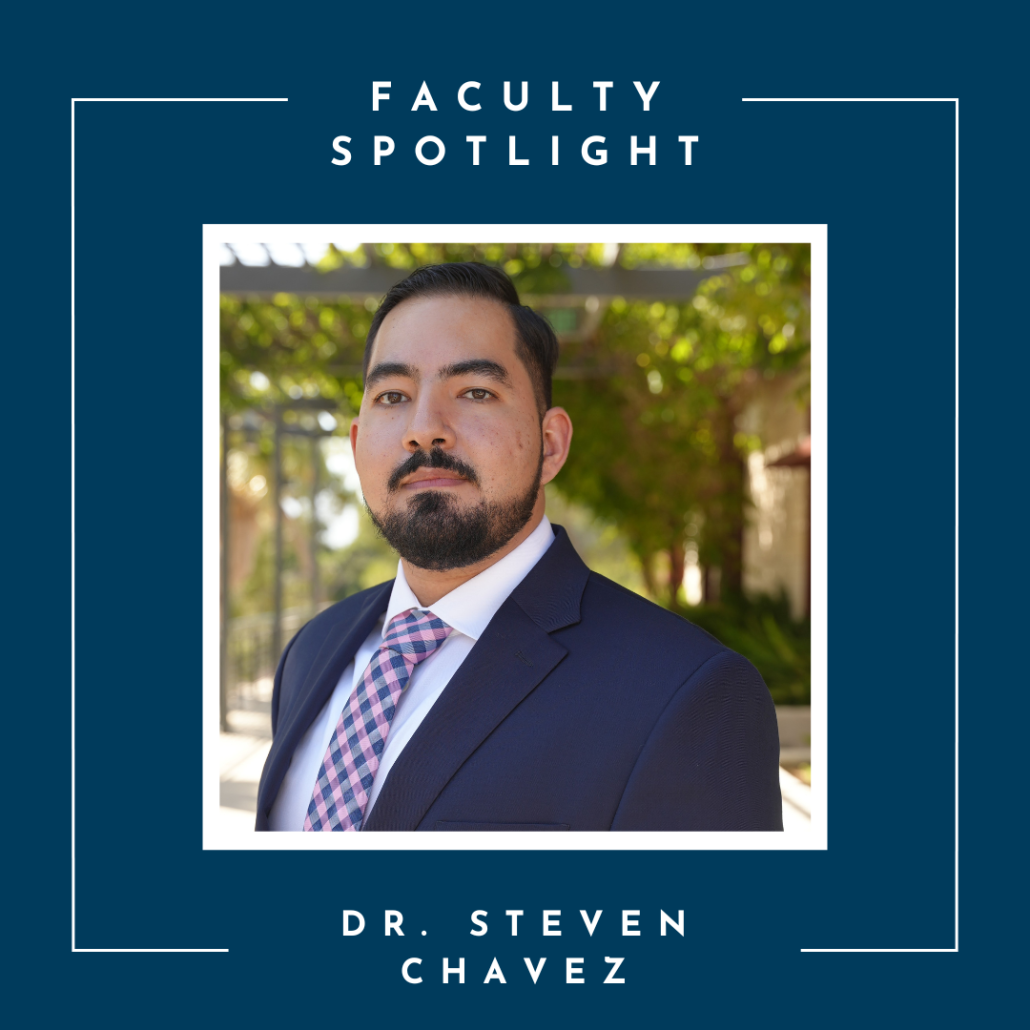
FACULTY SPOTLIGHT
Dr. Steven Chavez is an Assistant Professor in the Chemical and Biomolecular Engineering department, and Principle Investigator of the Chavez Research Lab. The Chavez Lab works at the interface of nanophotonics and heterogeneous catalysis to design materials that use light to drive chemical reactions at lower temperatures with unique selectivity and improved stability compared to thermal catalysts. We had the opportunity to interview Dr. Chavez and ask about his experiences with undergraduate research at UCLA.
1. How would you describe your experiences with undergraduate research at UCLA?
My experience mentoring undergraduates at UCLA has been incredibly positive. UCLA students are highly motivated, thoughtful, and eager to take on meaningful challenges. When they are truly invested in the research, they are often capable of contributing at a very high level. I have also really valued the range of backgrounds, perspectives, and strengths that undergraduates bring to the lab. That diversity of experience makes the mentoring process not only more rewarding, but often more effective as well.
2. What are your most effective approaches to promote undergraduate research success?
For me, undergraduate research success starts with commitment and fit. I usually invite interested students to attend my group meetings for at least one quarter before joining the lab. That gives them a chance to learn what we do, see how the group operates, and decide whether they are genuinely excited about the work. If it is a good match, I then bring them into the lab and give them meaningful responsibilities. I try to treat undergraduates as developing researchers by holding them to high standards while also giving them the guidance and support they need to grow. I have found that students do best when they feel both challenged and trusted.
3. What resources at UCLA have been the most beneficial to including undergraduates in your research?
UCLA has a strong culture around undergraduate research, and that has been very helpful. The Undergraduate Research Center–Sciences plays an important role in connecting students with research opportunities and helping them see themselves as part of the research community. Programs that support students through research coursework, summer opportunities, and faculty mentorship also make a real difference by giving students structured ways to get involved and build confidence. More broadly, UCLA has a large pool of talented students who are actively looking for ways to contribute, which makes it an exciting place to mentor undergraduate researchers.
4. What should undergraduates consider before they begin their research journey?
Students should definitely think about whether they are interested in the research topic, but they should also pay close attention to the mentorship environment and lab culture. That part is sometimes overlooked. A strong undergraduate research experience depends not just on the project itself, but on whether the lab is willing to invest time in helping students learn and grow. I encourage students to look for a group where they will be supported, challenged, and given the opportunity to develop real skills over time.
5. How do you support students as they navigate different career trajectories in science?
I try to support students by helping them build a strong foundation that will serve them in many different paths. In addition to research skills, I emphasize clear communication, critical thinking, organization, literature analysis, and the ability to present ideas effectively to both scientific and general audiences. I want students to leave the lab not only with technical experience, but with the confidence and discipline to succeed in whatever direction they choose, whether that is graduate school, industry, medicine, or another career connected to science.